
Therapeutic Drug Monitoring Laboratory
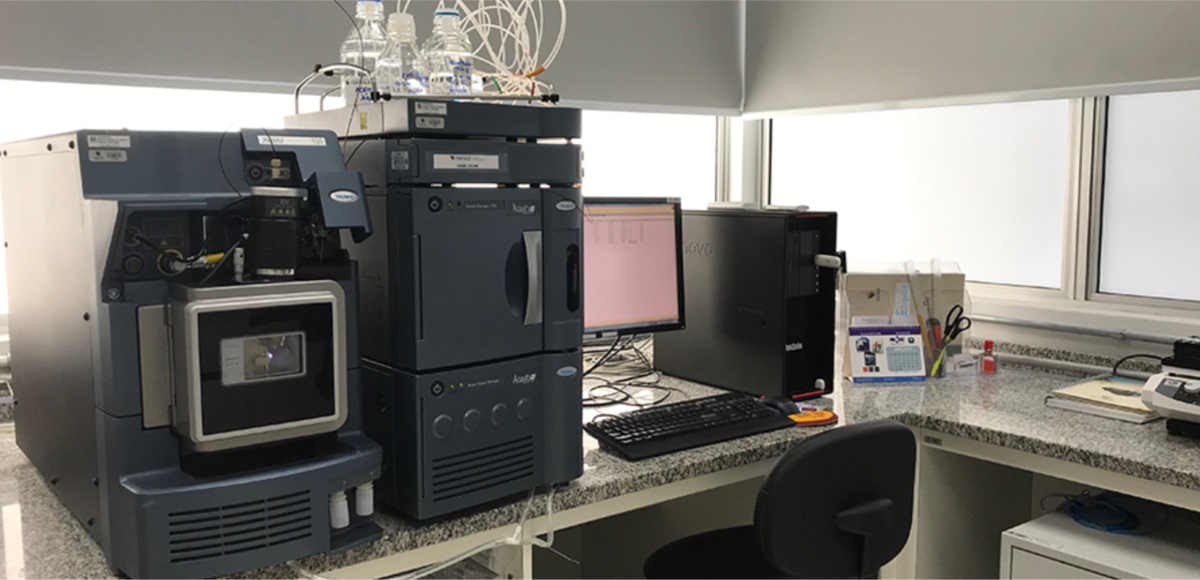
This laboratory is designed to measure drug and metabolite concentrations in a variety of biological matrices. It is equipped with a high-performance liquid chromatography system coupled to a triple-quadrupole mass-selective detector, as well as supporting equipment such as homogenizers, concentrators and centrifuges.
Location: Feevale Techpark
Animal Facility
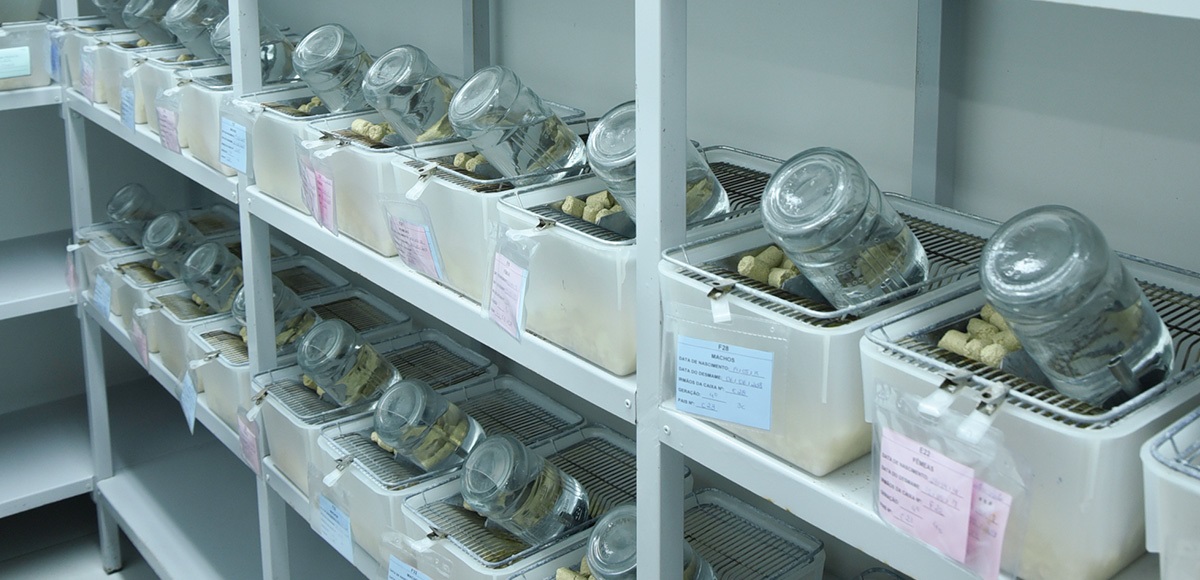
The Animal Facility is affiliated with the Institute of Health Sciences (ICS) and supports undergraduate and graduate teaching and scientific research. Its infrastructure includes conventional facilities for breeding, housing, isolation and experimentation. The facility breeds and maintains animals for teaching, research and innovation. It works with genetically certified, environmentally enriched, controlled inbred Balb/c mice and outbred Wistar rats. All procedures comply with applicable legislation and are approved by the Animal Use Ethics Committee (CEUA).
Location: Campus II, building White, room 003
Distance Education Department
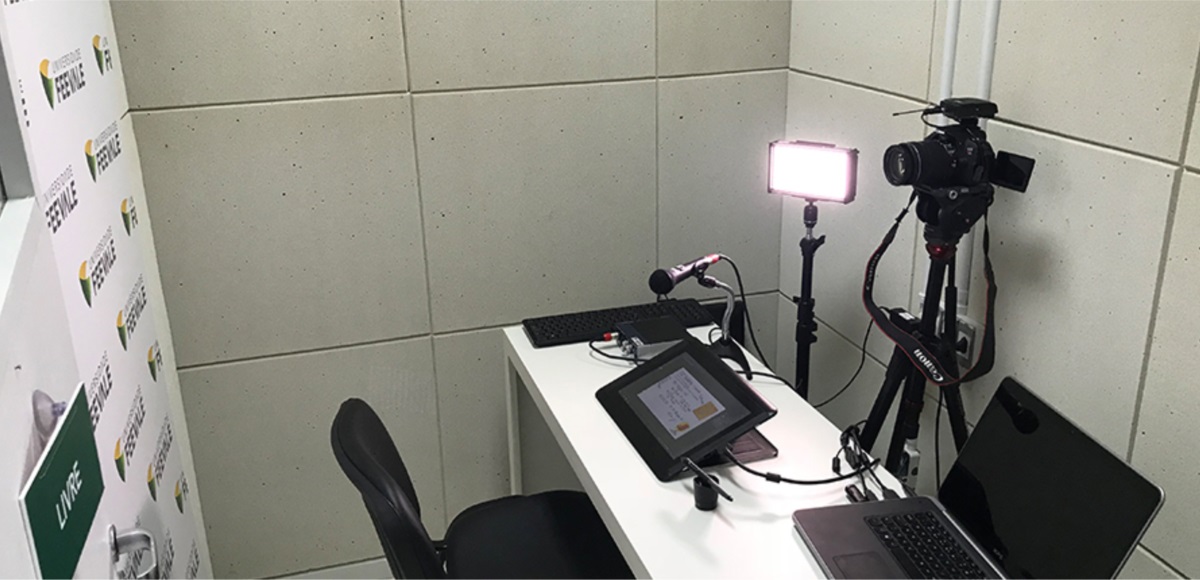
The Distance Education Department has a team providing pedagogical, technological and teaching-material development support to faculty members, tutors and students, both online and in person. Feevale University makes the Blackboard Learn e-learning platform available to undergraduate and graduate programs.
Location: Campus II, building Pink, room 215
Molecular Microbiology Laboratory
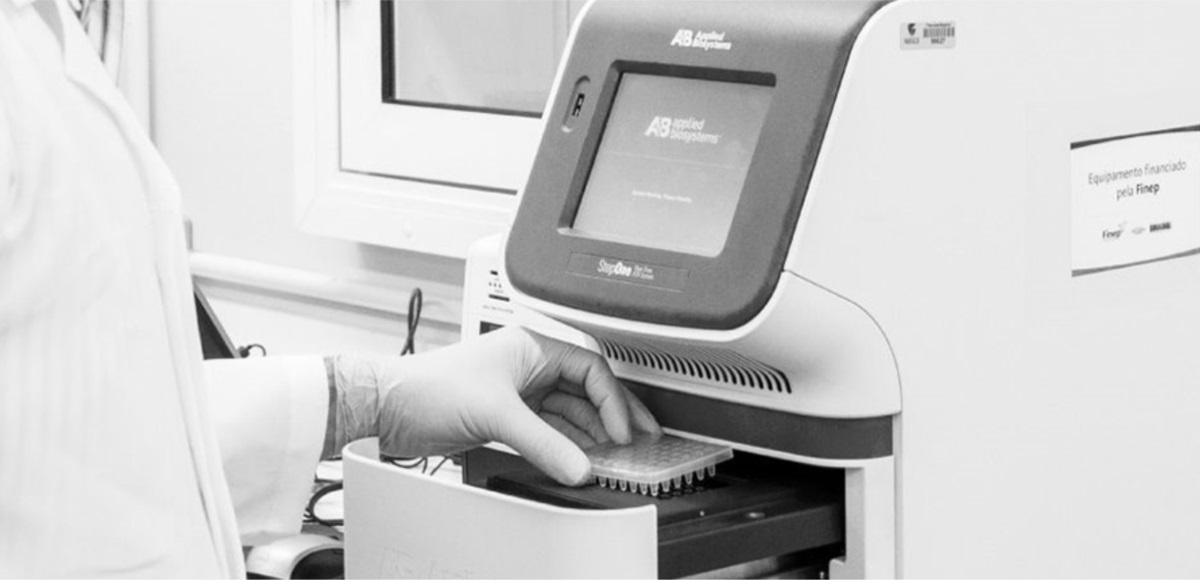
The Molecular Microbiology Laboratory has the infrastructure needed to detect viral agents as indicators of water quality and carry out other planned activities. Its equipment includes a conventional gradient thermocycler, one GeneAtlas microarray analyzer, one Illumina MiSeq next-generation nucleic acid sequencer, four real-time PCR thermocyclers, two vertical laminar-flow cabinets, three nucleic-acid extraction and handling hoods, seven two-door refrigerators, one -80 °C freezer, a digital gel imaging system, a transilluminator, horizontal and vertical electrophoresis chambers, micropipettes, power supplies, uninterruptible power supplies, seven computers, three conventional centrifuges, two bacteriological incubators and one CO2 incubator, among other equipment.
Location: Campus II, building Red, room 103
Bioanalysis Laboratory
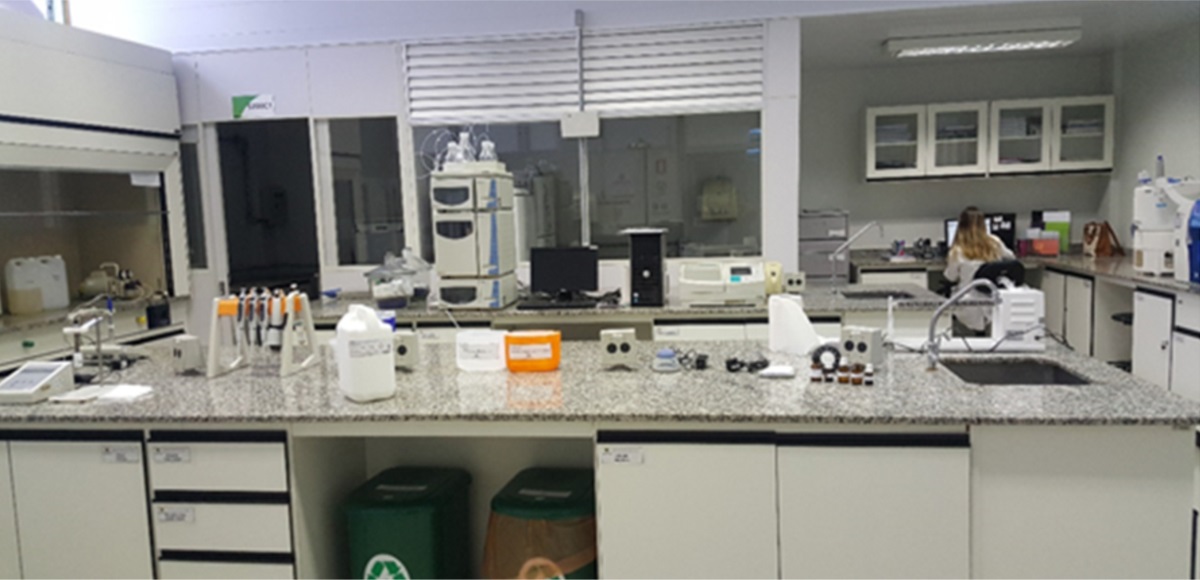
The spacious Bioanalysis Laboratory has separate areas for research and teaching. Its equipment includes analytical balances, an incubator for cultivating Caenorhabditis elegans (C. elegans), centrifuges, a liquid chromatograph, Karl Fischer equipment, a reverse osmosis system, magnifying lenses and ovens. Research focuses on developing and characterizing nanostructured systems (liposomes, nanoemulsions and nanocapsules), assessing toxicity using the alternative C. elegans model, and conducting assays for drug quantification, analysis and quality control.
Location: Campus II, second basement level do building Red, S200C
Microscopy and Image Analysis Laboratory
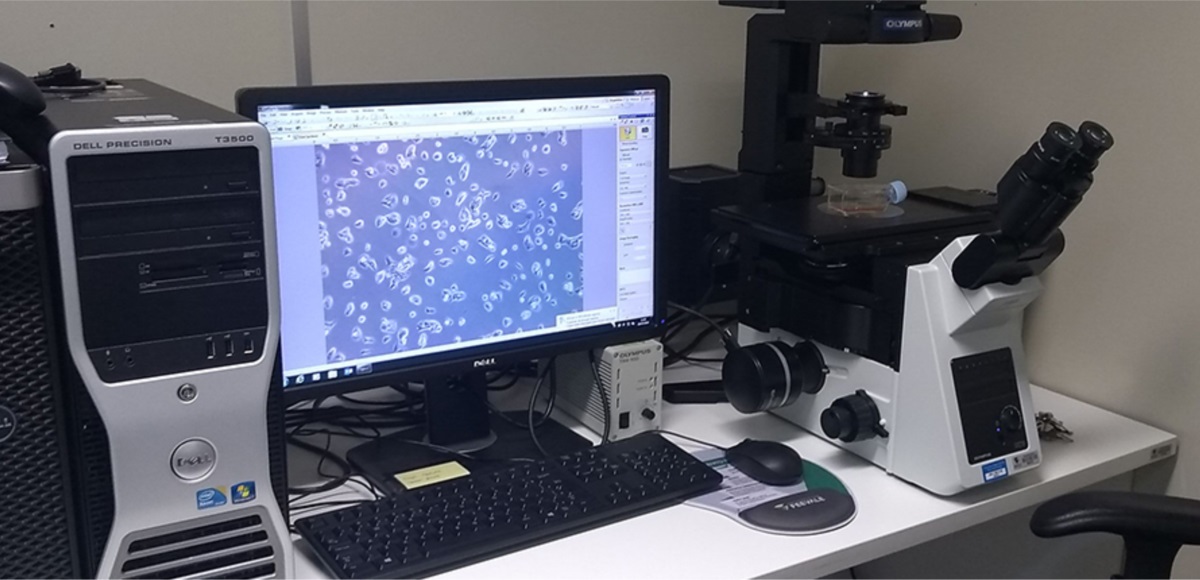
Equipped with high-resolution inverted and conventional optical microscopes, both with fluorescence systems. Digital images (photographs and videos) of cultured cells, microcrustaceans, nematodes and fish larvae are analyzed using specialized software, with or without fluorochromes, to assess acute toxicity, reproductive toxicity, neurotoxicity, genotoxicity and morphological changes caused by different toxicants.
Location: Campus II, building Red, room 107
Advanced Materials Studies Laboratory
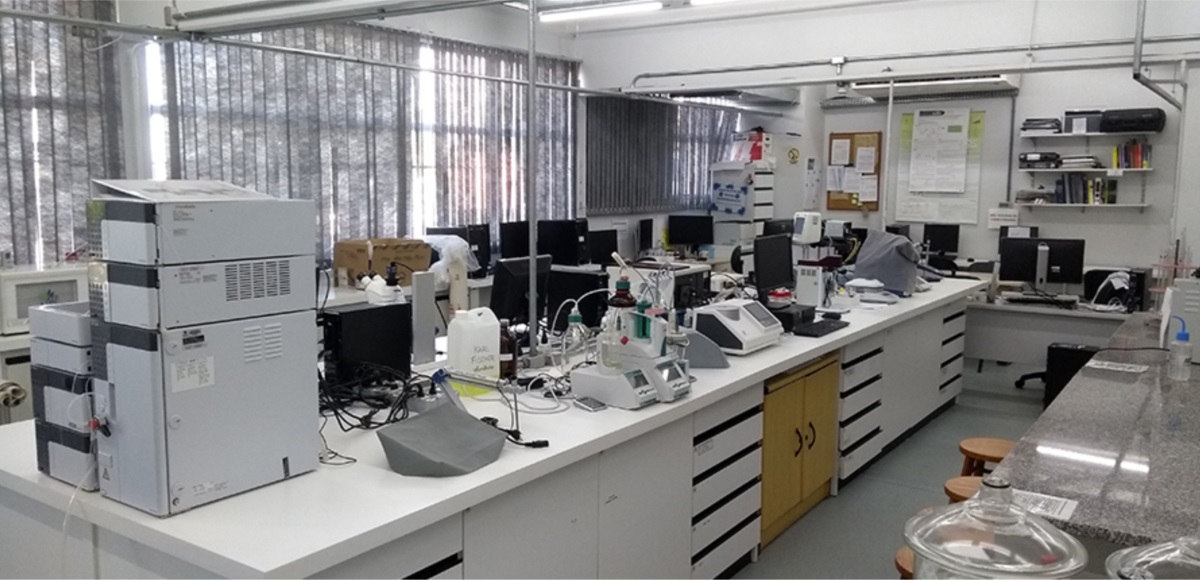
The Advanced Materials Studies Laboratory develops and characterizes materials for research, teaching and community outreach. It has extensive analytical equipment supporting approximately 20 techniques, including scanning electron microscopy (SEM), surface area analysis (BET), dynamic light scattering (DLS), colorimetry, ultraviolet-visible and infrared spectroscopy (UV–Vis and FT-IR UATR), differential scanning calorimetry (DSC), thermogravimetric analysis (TGA) and dynamic mechanical analysis (DMA). It currently supports projects involving polymers, nanoparticles, biocompatible materials, metallic coatings and construction materials, among others.
Location: Campus II, building Blue, basement 001
Clinical Analysis Laboratory
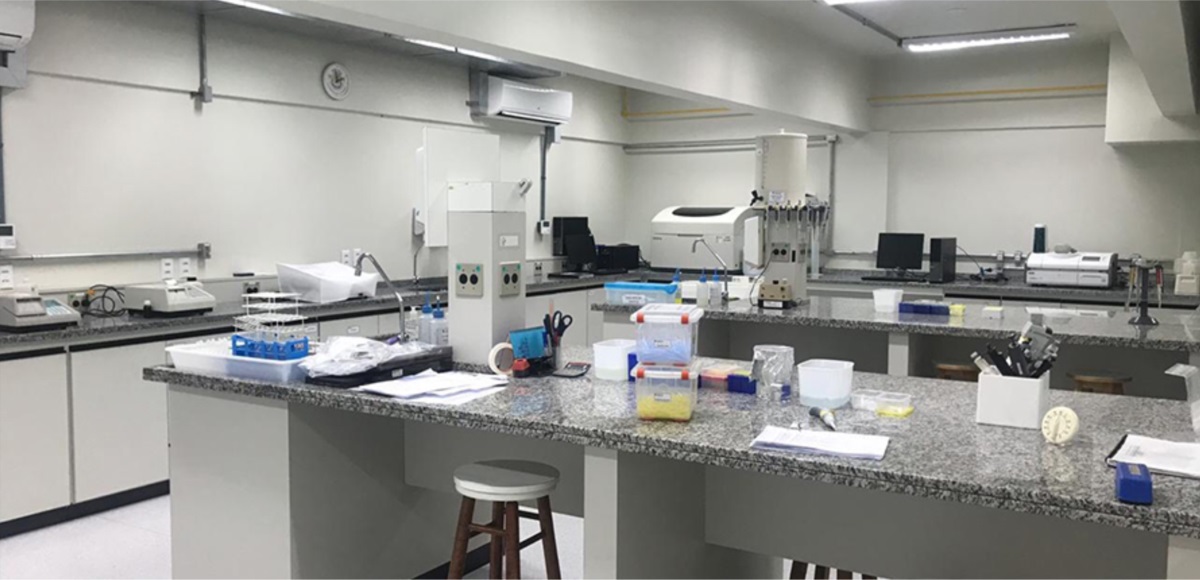
The Teaching Laboratory for Clinical Analysis is equipped for a range of laboratory tests in biochemistry, hematology, immunology and other areas. It supports research, teaching and community outreach projects. It offers automated clinical biochemistry, hematology and immunology equipment, as well as infrastructure for microbiological and microscopy-based analyses. Current projects involve therapeutic drug monitoring and the assessment of workers exposed to chemical agents. It also hosts undergraduate final projects, undergraduate research, scientific training and master’s-level research.
Location: Campus II, building CIES
Cytotoxicity Laboratory
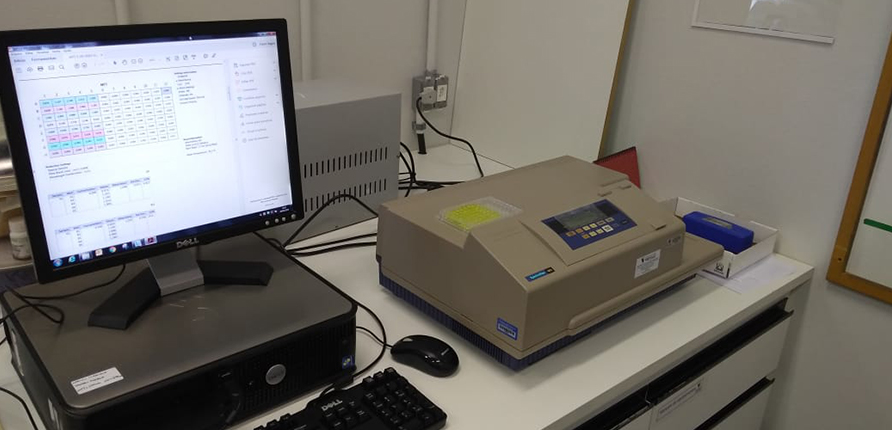
The Cytotoxicity Laboratory stores and maintains commercial mammalian cell lines and prepares and sterilizes materials for this work. Cultured cells are used to assess the in vitro toxicity of individual chemicals, plant extracts, nanocompounds and biomaterials through different methods for measuring cell viability following exposure. The laboratory has wet- and dry-sterilization facilities, cell culture equipment (vertical laminar-flow cabinets, an inverted optical microscope, CO2 incubators and a centrifuge), and equipment for microscopy-, colorimetry-, fluorimetry- and luminescence-based cytotoxicity assays.
Location: Campus II, building Red, room 104
Toxicological Analysis Laboratory
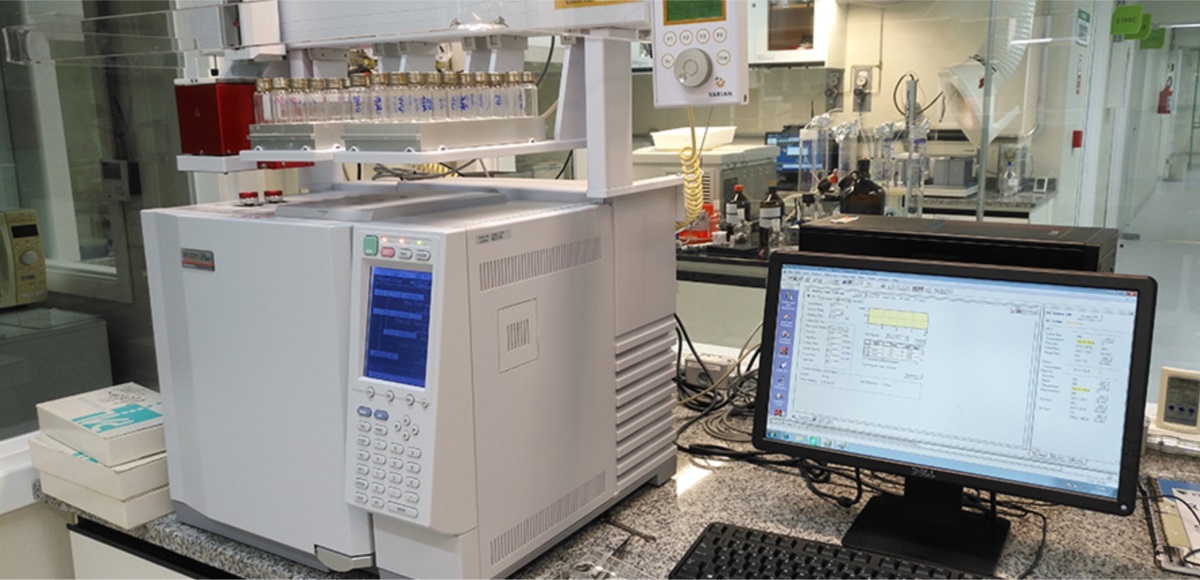
The Toxicological Analysis Laboratory is equipped to detect and quantify organic and inorganic compounds in biological matrices. Its analytical infrastructure includes five high-performance liquid chromatography systems with diode-array, fluorescence and mass-selective detectors, plus two gas chromatography systems with flame ionization, nitrogen–phosphorus and mass detectors. It also has an atomic absorption spectrophotometry system for inorganic analysis. The laboratory supports teaching, research and analytical services.
Location: Campus II, building CIES, S100
Biochemistry and Pharmacology Laboratory
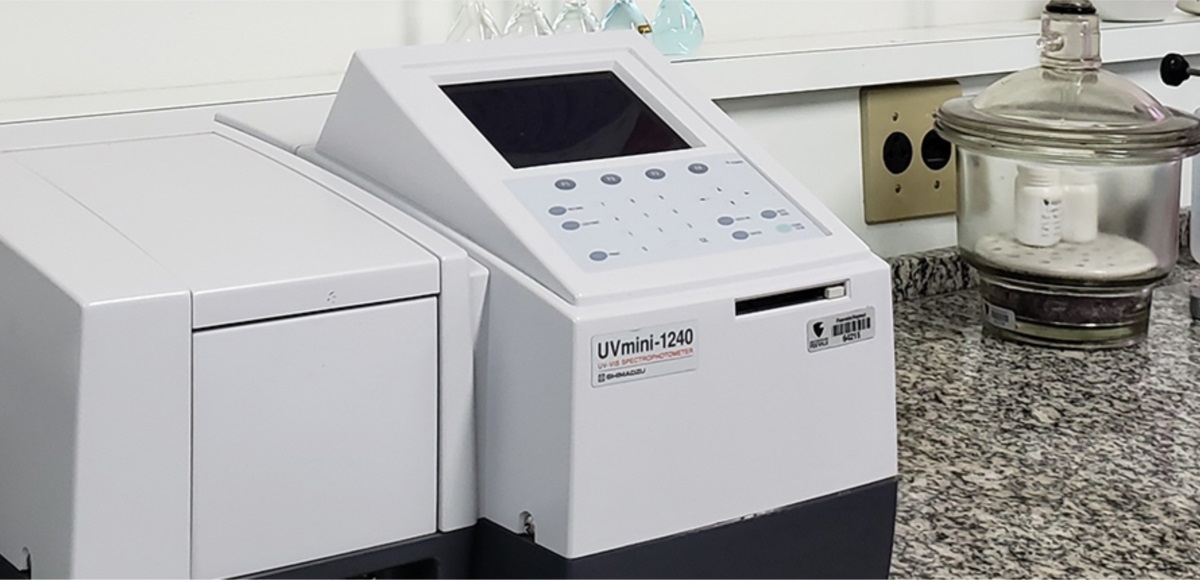
The laboratory provides glassware, reagents and basic equipment for research projects: six magnetic stirrers, one melting-point apparatus, three vortex mixers, two analytical balances, one water bath, one vacuum pump, three desiccators, one digital spectrophotometer, one sterilizing and drying oven, one 1,000 mL heating mantle, one 500 mL heating mantle, two 250 mL heating mantles, five pH meters, one semi-analytical balance, one refrigerator with a -20 °C freezer, one vacuum and pressure pump, one nine-liter digital water bath, seven benchtop potentiometers, twelve micropipettes (10–100 µL and 100–1,000 µL), laboratory glassware (beakers, graduated pipettes, graduated cylinders, test tubes, etc.), two benchtop vortex mixers and other equipment.
Location: Campus II, building Red, room S105
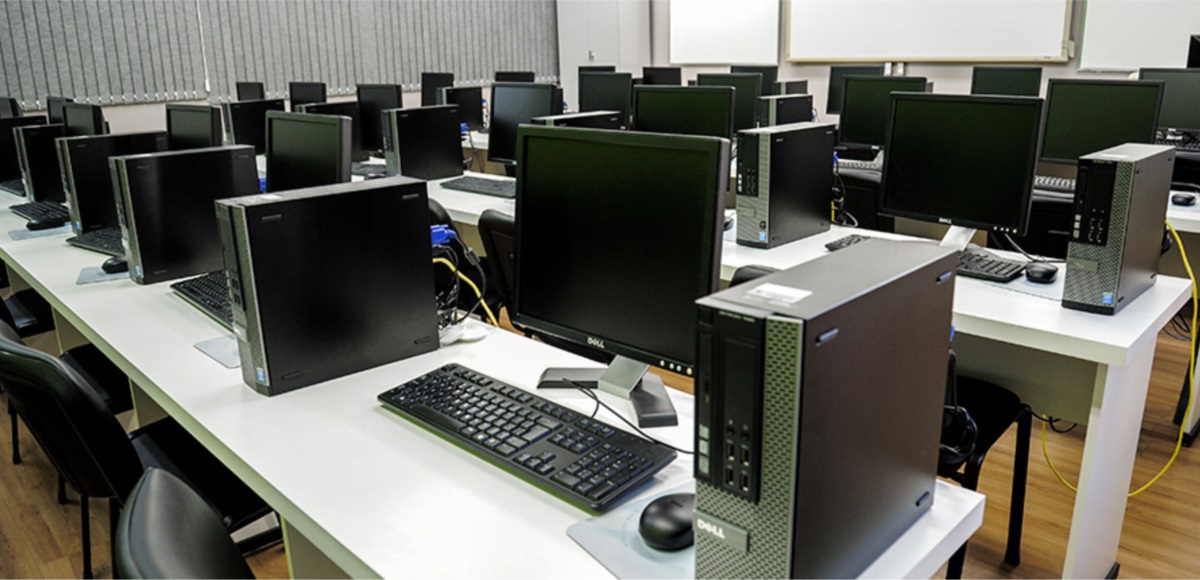
Computer Laboratory
Illustrative image.
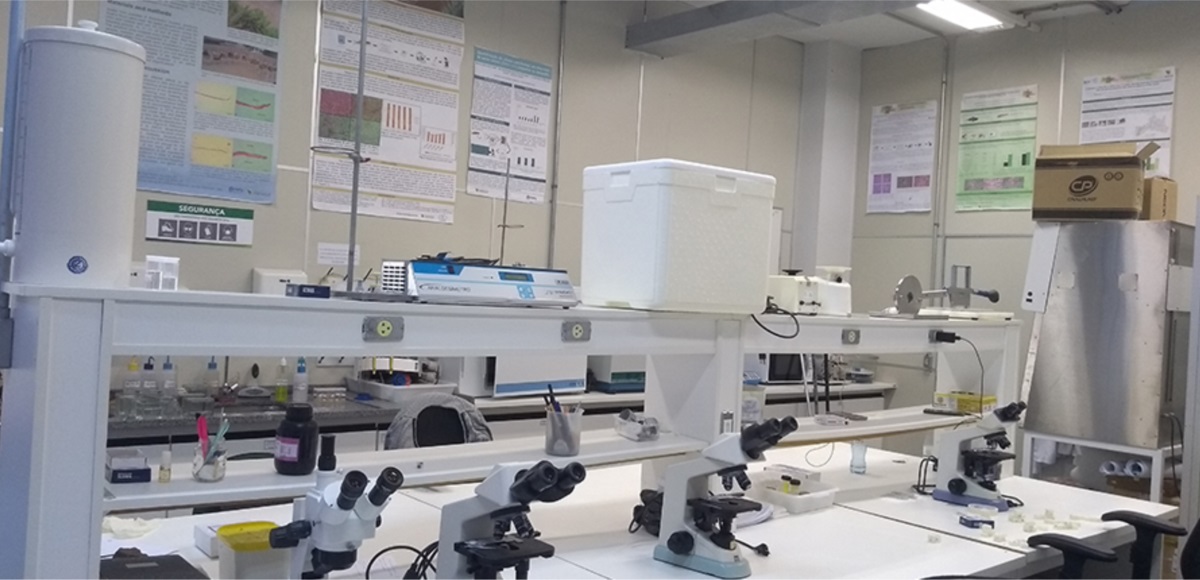
Comparative Histology Laboratory
The Comparative Histology Laboratory is used to collect and prepare biological samples for histological analysis. It supports the microscopy laboratories by preparing permanent slides of different tissues using various staining techniques. Research projects linked to the Graduate Program in Environmental Quality are carried out here, along with biomechanical tests in rodents.
Location: Campus II, building Red, room 108
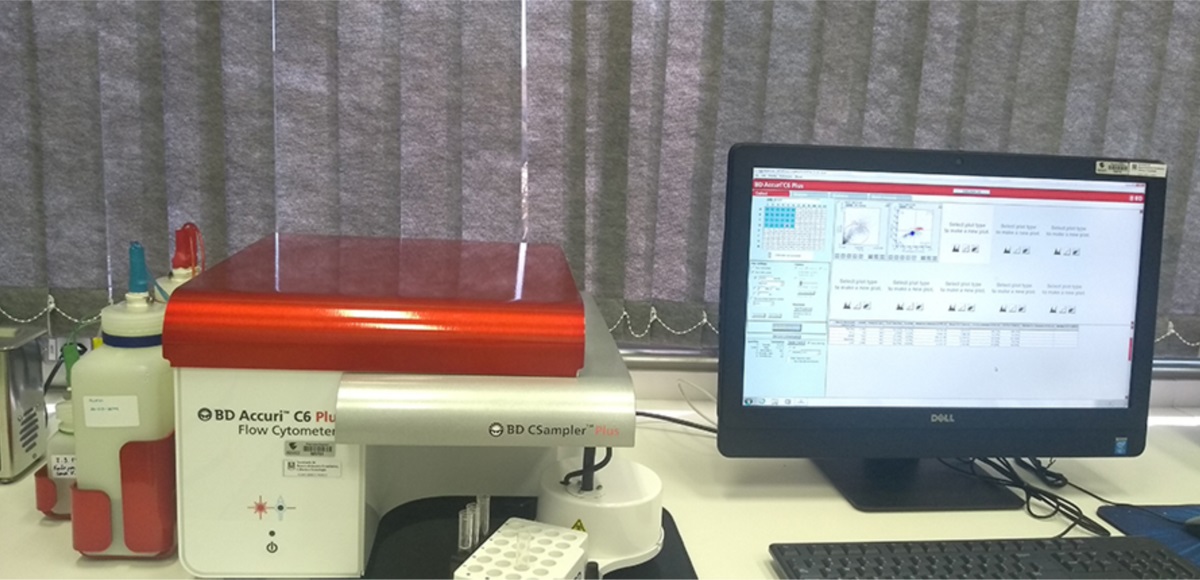
Advanced Biotechnology Methods Laboratory
This laboratory assesses cell viability and death, characterizes cellular phenotypes and quantifies cytokines (using the CBA technique), among other methods involving fluorochrome labeling of molecular targets and flow cytometry. It can also sort cells based on predefined phenotypic characteristics. Equipment includes an ultra-low-temperature freezer and instruments for molecular analysis using RT-PCR and qPCR.
Location: Feevale Techpark
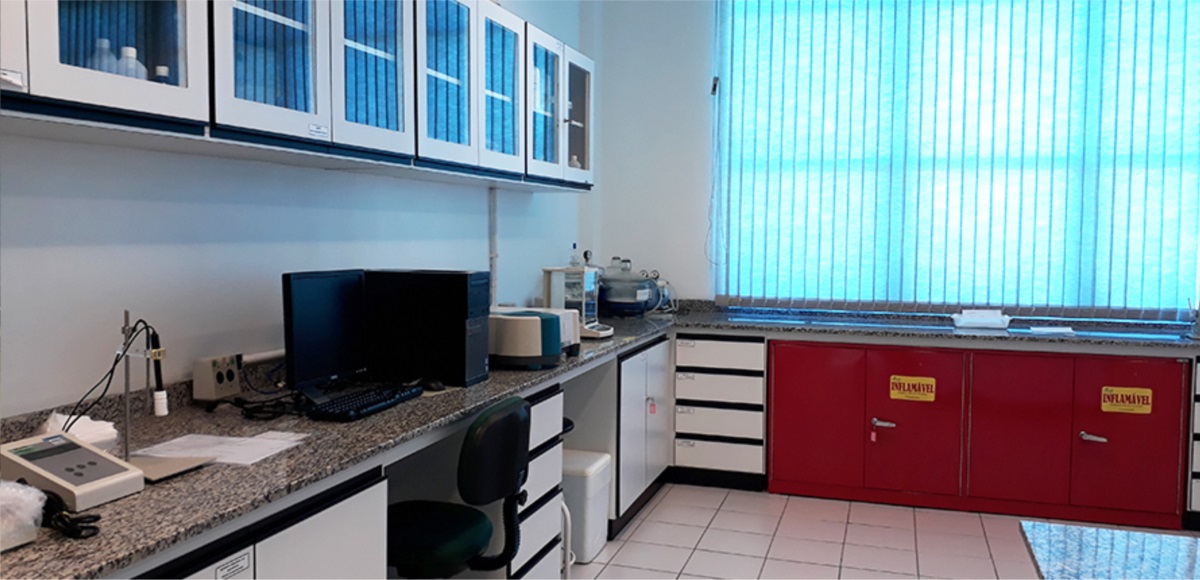
University Pharmacy
The University Pharmacy laboratories are used to perform oxidative stress assays (catalase, SOD, glutathione peroxidase and FRAP), prepare plant extracts and conduct their phytochemical analyses. Equipment includes centrifuges, an analytical balance and a spectrophotometer.
Location: Campus II, building White, 5th floor
Animal Cytogenetics Laboratory
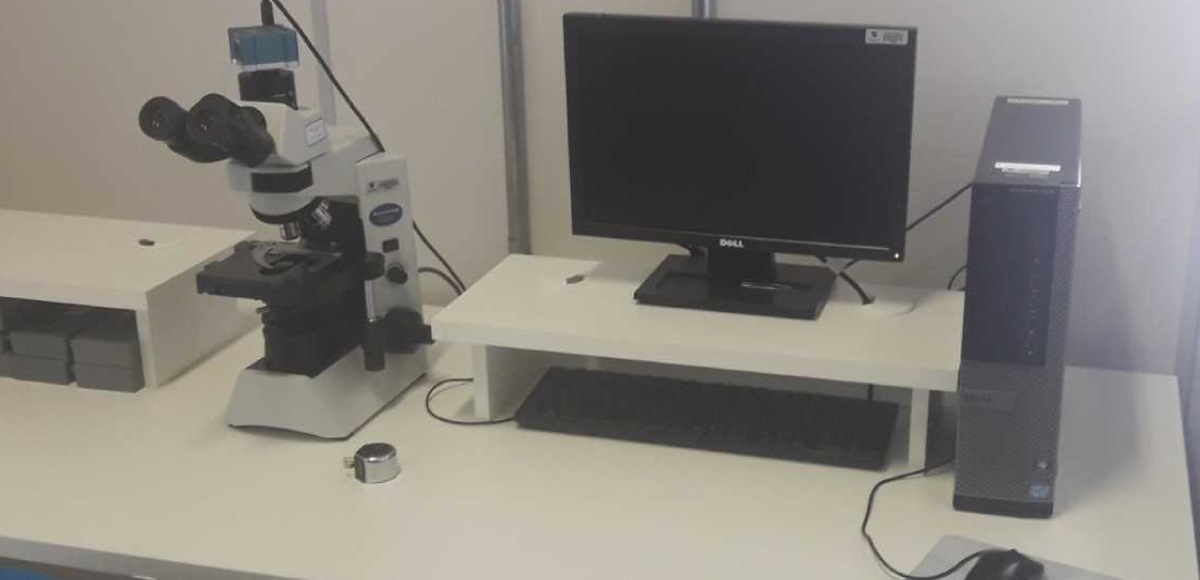
The Animal Cytogenetics Laboratory uses cytogenetic techniques as tools to assess environmental quality. Activities related to course subjects and research projects linked to the Graduate Program in Environmental Quality take place here.
Location: Campus II, building White, basement level 2, 004C
Genetics and Molecular Biology Laboratory
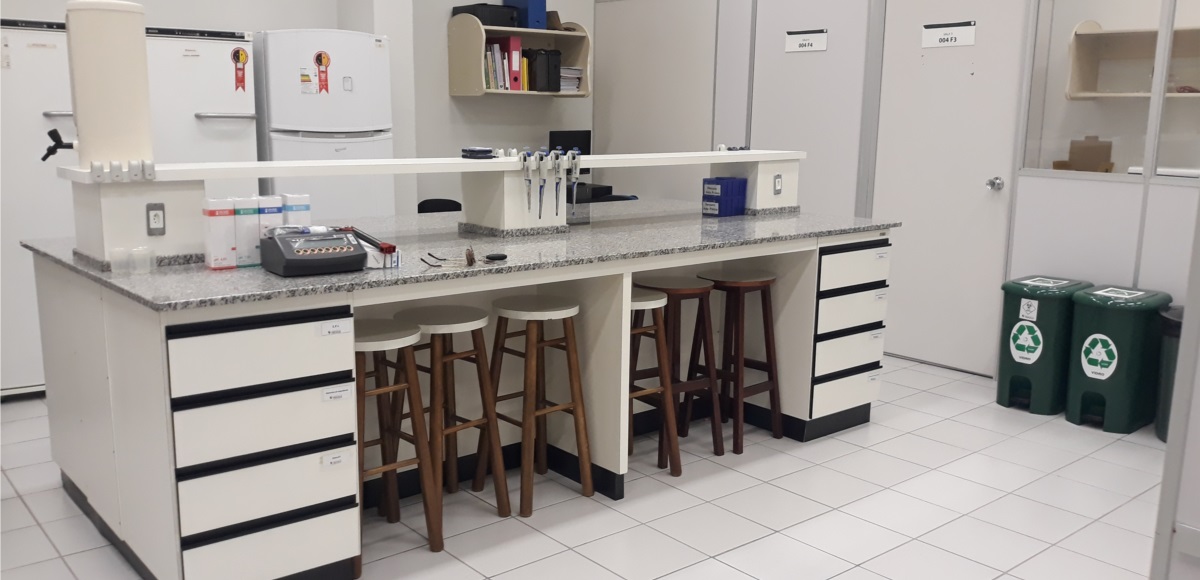
The Genetics and Molecular Biology Laboratory has facilities for undergraduate and graduate practical classes and scientific research in genetics and molecular biology, with PCR as a key technique. Current human genetics projects focus on HIV-positive patients in immunogenetics and pharmacogenetics. Environmental research also investigates soil microbial diversity.
Location: Campus II, second basement level do building White
