
Infrastructure
Animal Facility
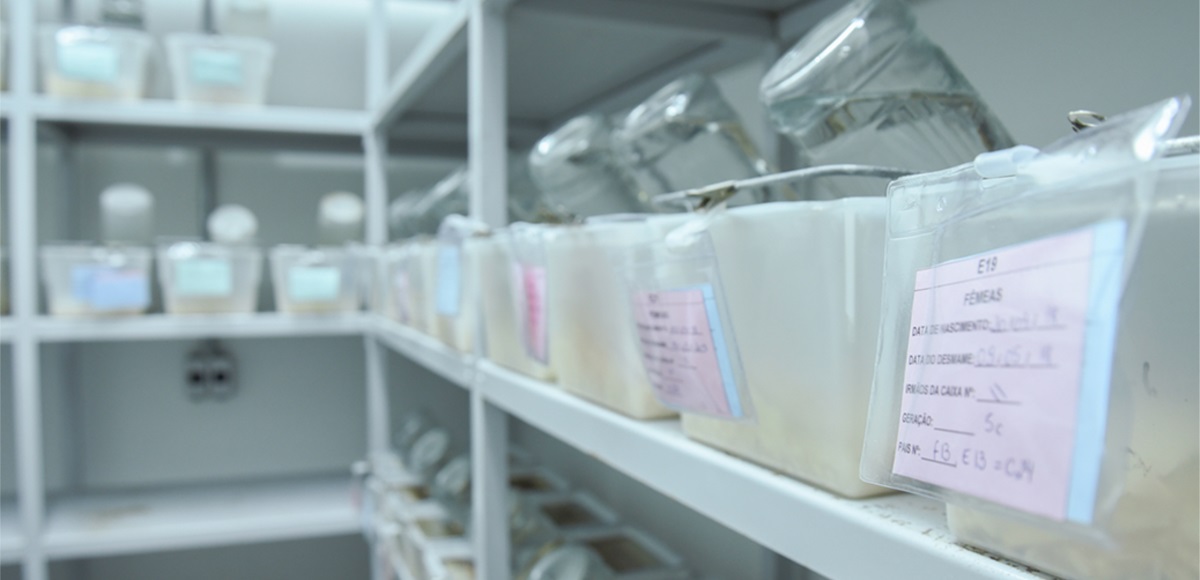
The Animal Facility is part of the Institute of Health Sciences (ICS) and supports undergraduate and graduate teaching and scientific research. Its infrastructure includes conventional facilities such as breeding, housing, isolation and experimentation rooms. The facility breeds and maintains animals for teaching, research and innovation. It works with controlled inbred Balb/c mice, with environmental enrichment and genetic certification, and outbred Wistar rats. All procedures conducted in the facility comply with applicable legislation and are approved by the Animal Use Ethics Committee (CEUA).
Distance Education Department
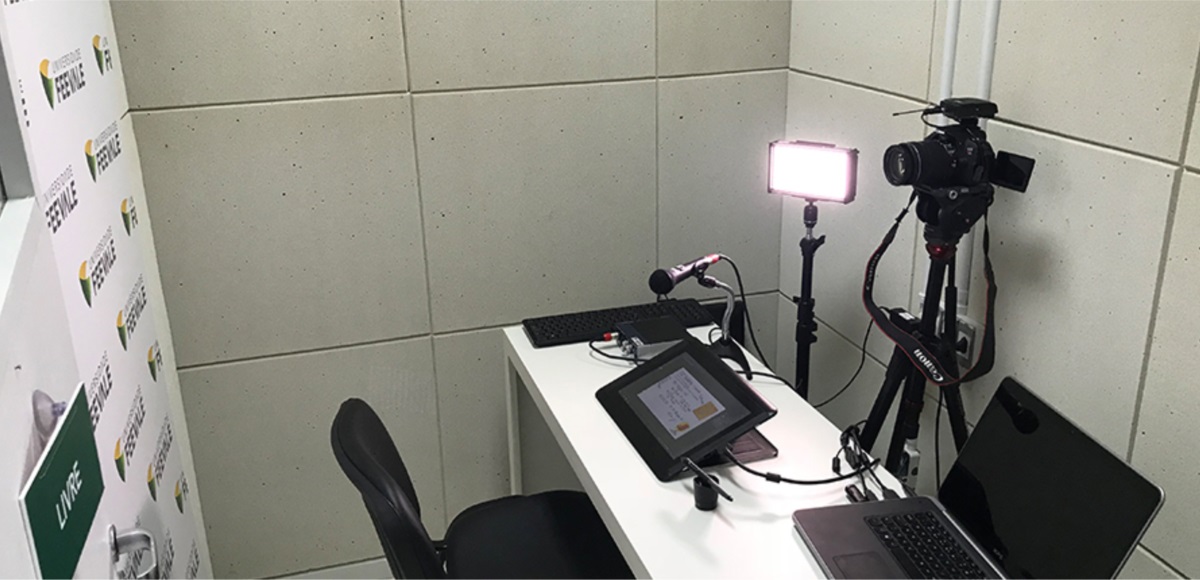
The Distance Education Department has a team that provides educational, technological and instructional-material development support to faculty members, tutors and students, both online and in person. Feevale University provides the Blackboard Learn e-learning platform for undergraduate and graduate courses.
Computer Laboratory
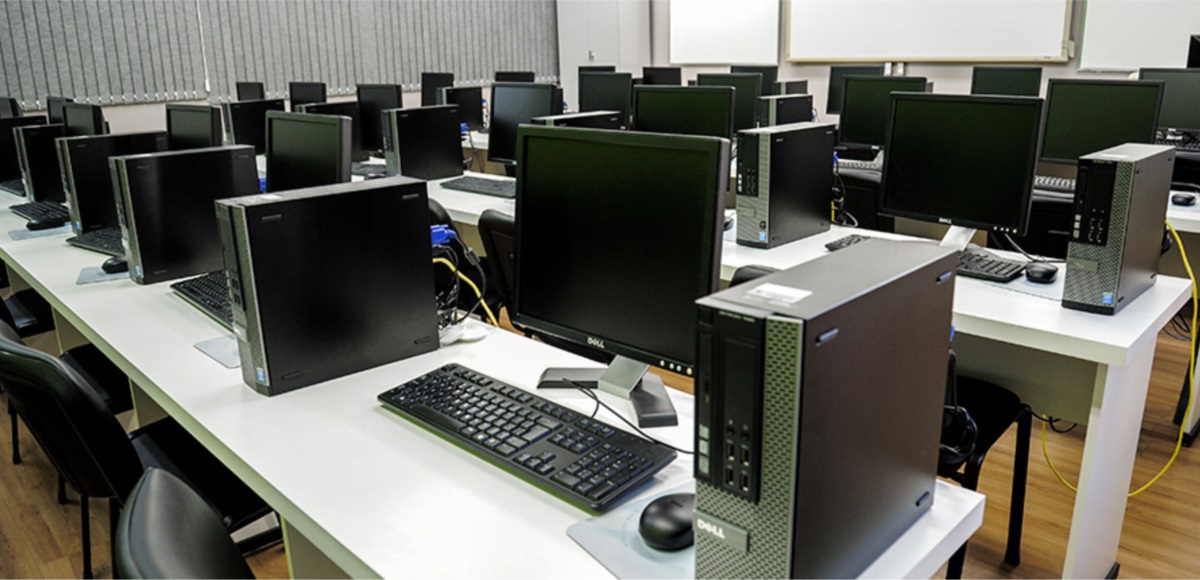
Illustrative image.
Molecular Microbiology Laboratory
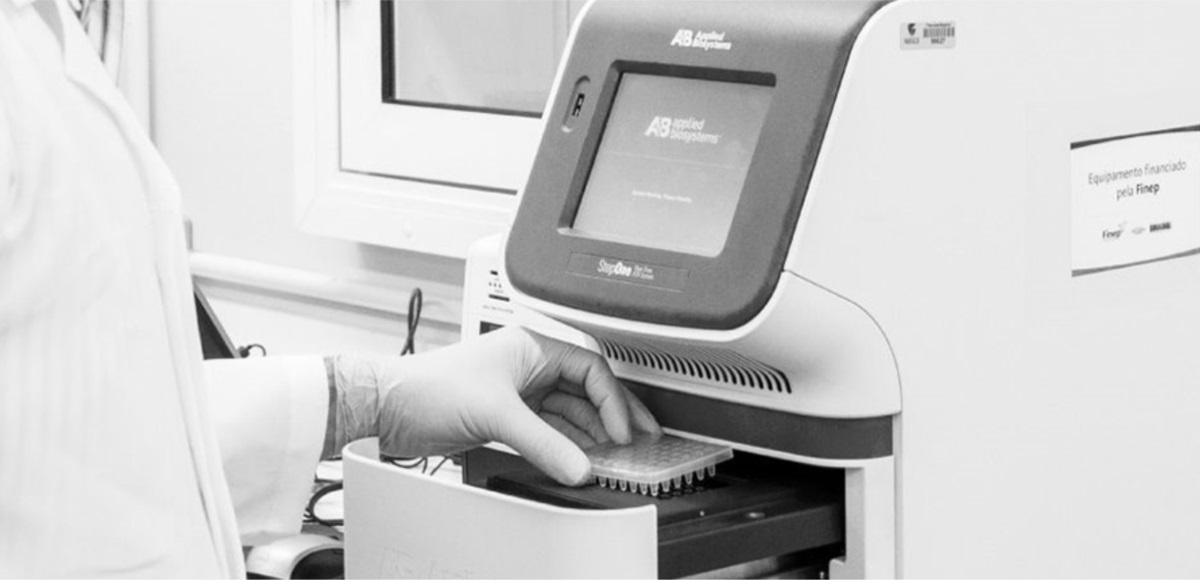
The Molecular Microbiology Laboratory has the infrastructure required to detect viral agents as indicators of water quality and to carry out other planned activities. Its equipment includes a conventional gradient thermal cycler, one GeneAtlas microarray analyzer, one Illumina MiSeq next-generation nucleic acid sequencer, four real-time PCR thermal cyclers, two vertical laminar flow cabinets, three nucleic acid extraction and handling cabinets, seven duplex refrigerators, one -80°C freezer, a digital photodocumentation system, a transilluminator, horizontal and vertical electrophoresis tanks, micropipettes, power supplies, uninterruptible power supplies, seven computers, three conventional centrifuges, two bacteriological incubators, one CO2 incubator, and other equipment.
Cytotoxicity Laboratory
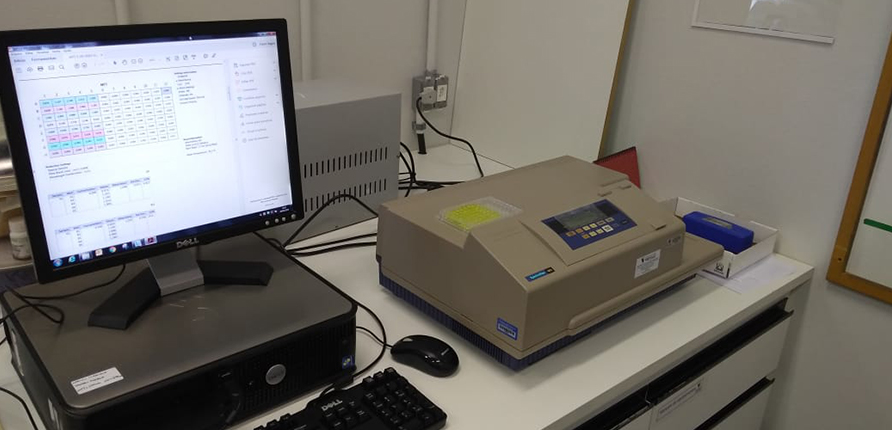
This laboratory stores and maintains commercial mammalian cell lines and prepares and sterilizes the materials used for this purpose. Cultured cells are used to assess the in vitro toxicity of isolated chemical substances, plant extracts, nanocompounds and biomaterials through different methods for detecting cell viability after exposure to the samples under study. The laboratory has all the infrastructure required for wet and dry sterilization, cell culture (vertical laminar flow cabinets, an inverted optical microscope, CO2 incubators and a centrifuge), and cytotoxicity assays based on microscopy, colorimetry, fluorimetry or luminescence.
Advanced Biotechnology Methods Laboratory
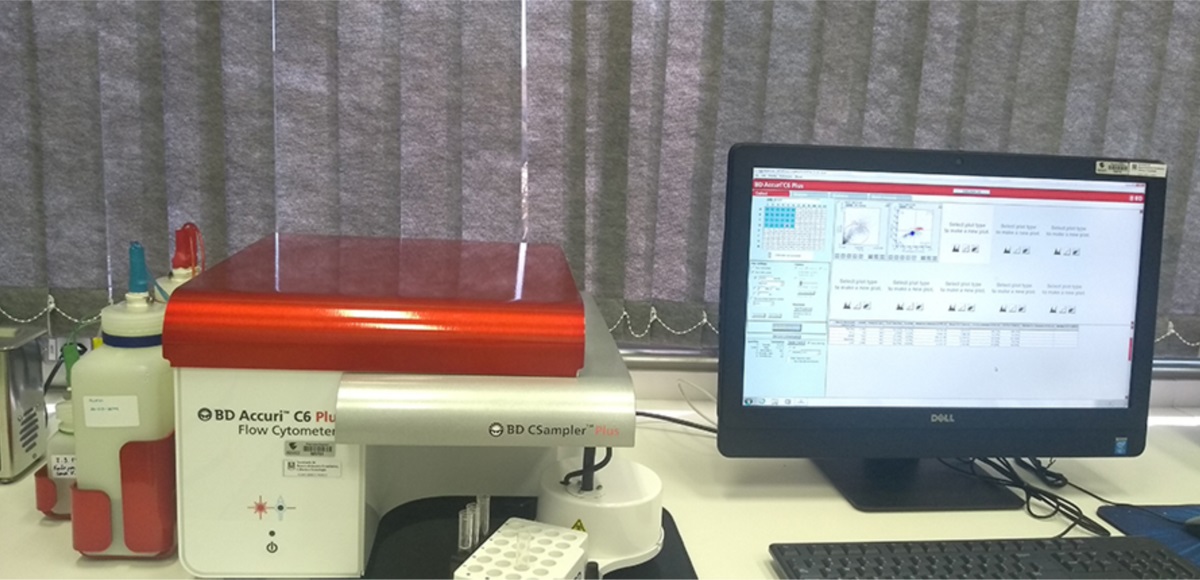
This laboratory performs cell viability/death assessments, cell phenotypic characterization and cytokine quantification (using the CBA technique), among other methods involving fluorescent labeling of molecular targets and flow cytometry analysis. Cell sorting based on predefined phenotypic characteristics is also available. It is equipped with an ultra-low-temperature freezer and equipment for molecular analysis using RT-PCR and qPCR.
Genetics and Molecular Biology Laboratory
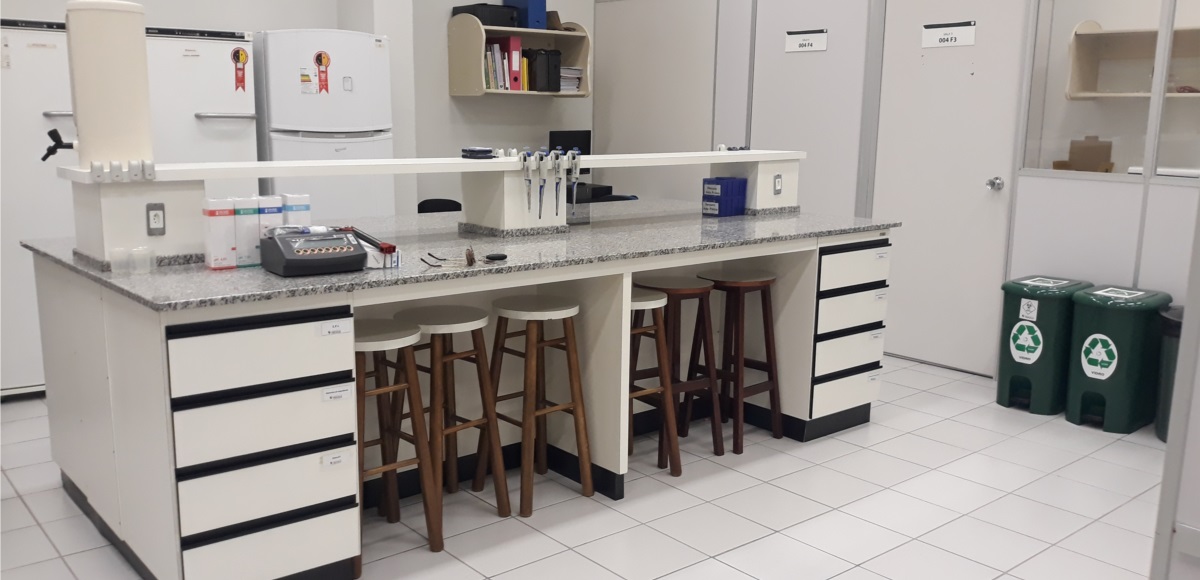
The Genetics and Molecular Biology Laboratory has facilities for practical classes in undergraduate and graduate programs as well as for scientific research in genetics and molecular biology, with PCR as a key technique. Current human genetics projects focus on HIV-positive patients in immunogenetics and pharmacogenetics. Environmental studies on soil microbial diversity are also underway.
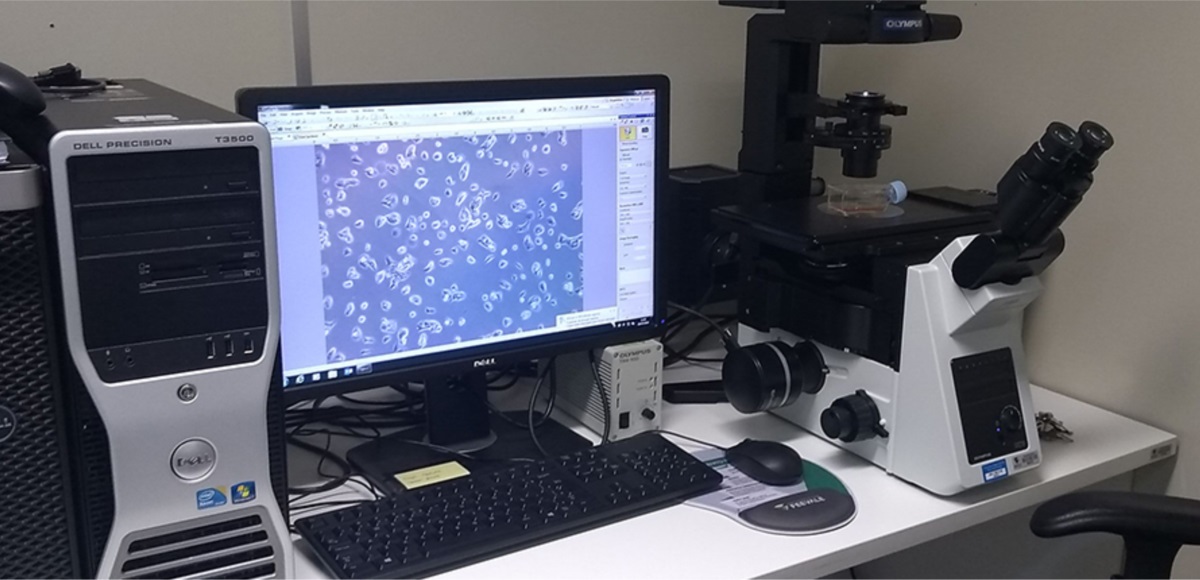
Microscopy and Image Analysis Laboratory
Equipped with an inverted optical microscope and a conventional optical microscope, both high-resolution and featuring fluorescence systems. Digital images (photos and videos) of cultured cells, microcrustaceans, nematodes and fish larvae, together with dedicated software analysis tools, with or without fluorochromes, make it possible to evaluate the results of acute toxicity, reproductive toxicity, neurotoxicity and genotoxicity assays, as well as morphological changes caused by various toxic agents.
